
Current Projects
Discover the current projects that are looking to partner up with yachts. If you would like to offer space on board your yacht or if you have a research project to submit, please get in contact.
ARGO FLOAT PROGRAMME
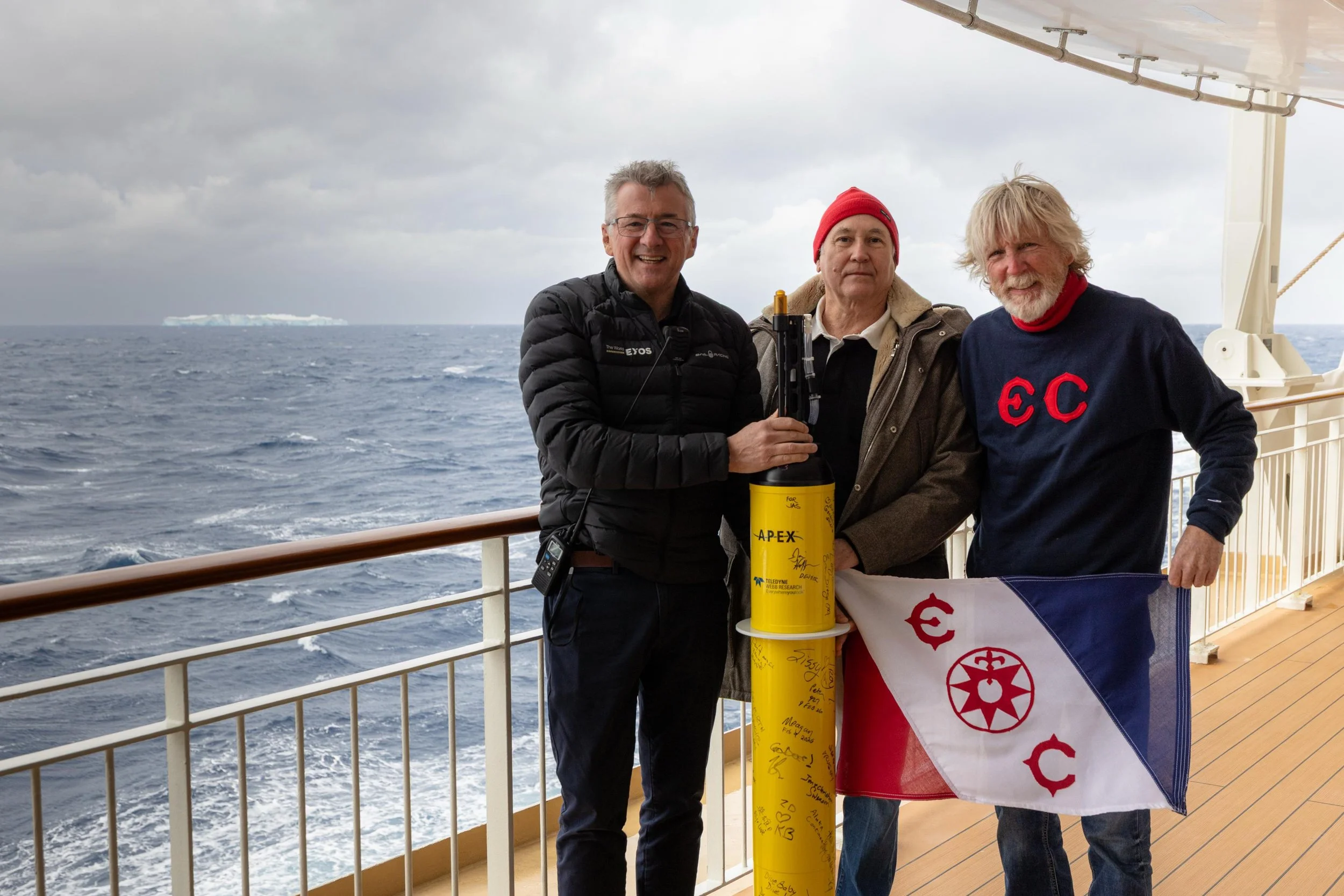
Global Ocean Biogeochemistry Array (GO-BGC Array)
A global network of autonomous robotic floats that measure the ocean from the surface to 2,000 m, helping scientists understand how the ocean stores carbon, supports life, and responds to climate change.
Deployment of biogeochemical floats through the SOCCOM and GO-BGC programs.
POLAR BLAST RESEARCH PROJECT
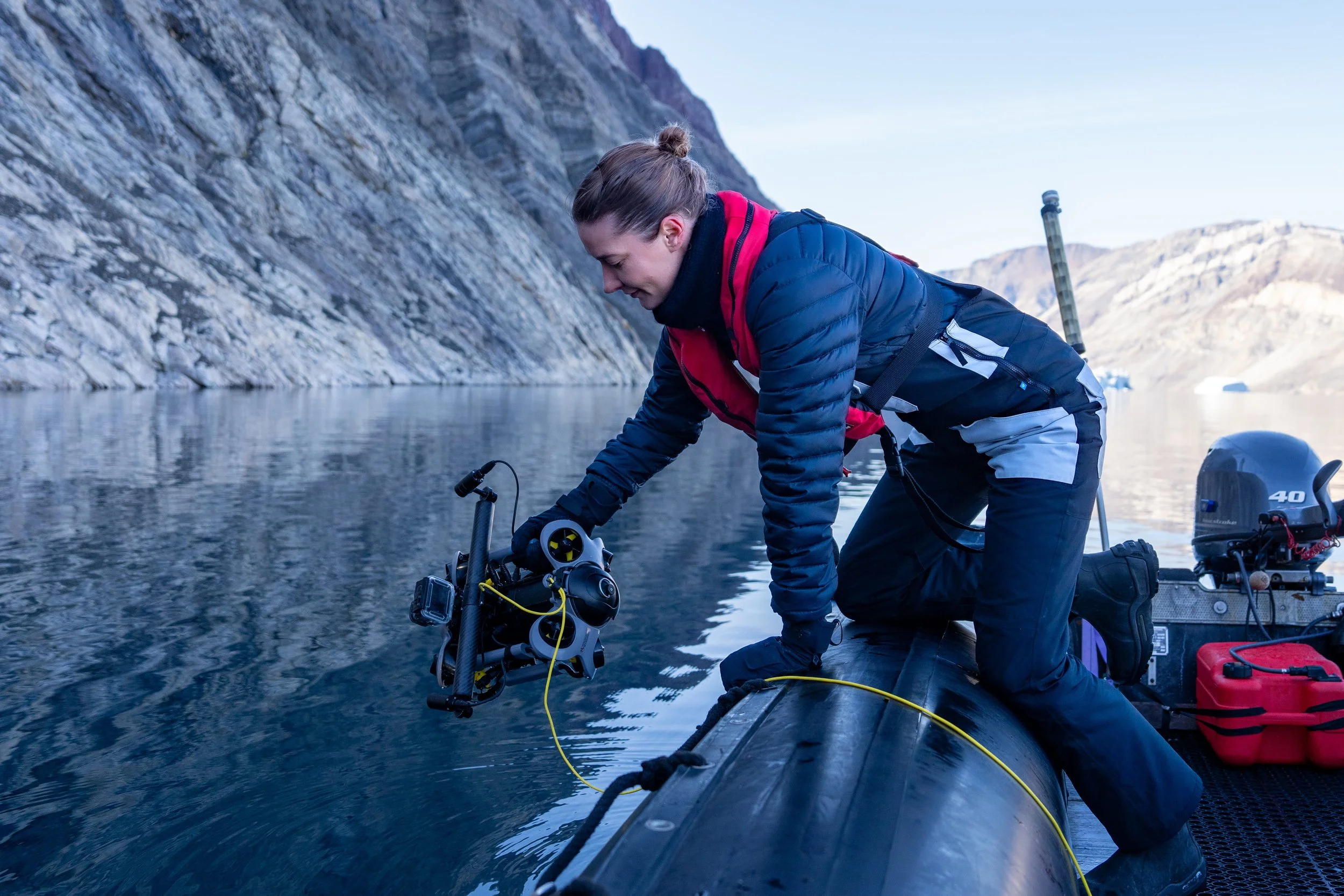
Canadian Arctic, the Northwest Passage, Greenland, Iceland
Polar BLAST is polar and deep-sea research initiative, endorsed by Yachts for Science, that transforms vessels of opportunity into platforms for Arctic and Antarctic exploration. During the northern summer of 2026 through the Canadian Arctic, across the Northwest Passage, and onward to Greenland. This rare and ambitious transit presents a truly unique scientific opportunity: to undertake a world-first deep-sea lander, ROV, BRUV and eDNA deployment transect across one of the planet’s most inaccessible marine corridors.
HAWKSBILL SEA TURTLE RESEARCH
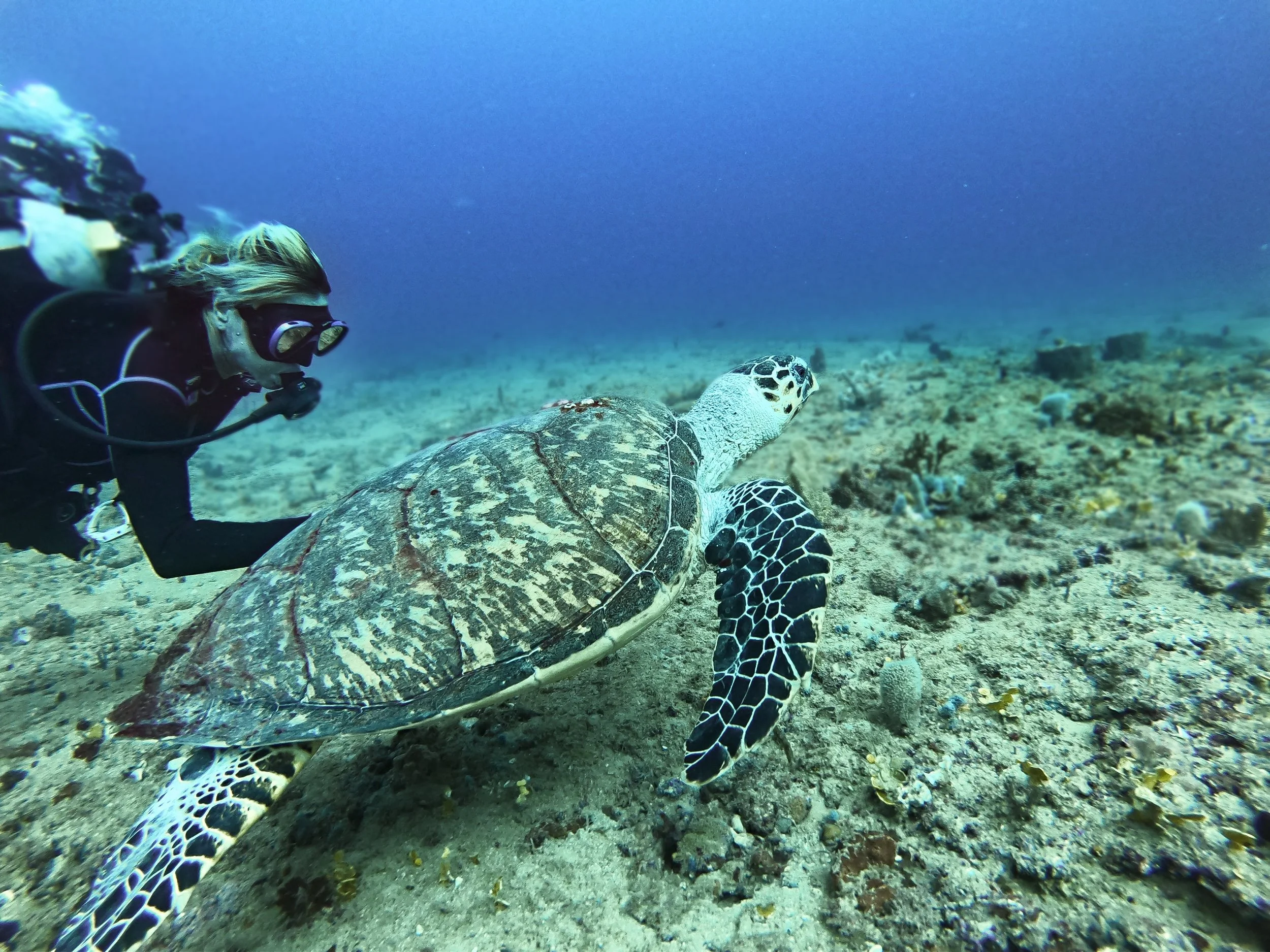
U.S. Virgin Islands
This project seeks to explore the abundance, distribution, and population structure of Hawksbill Sea Turtles in the waters of the U.S. Virgin Islands. Snorkeling and/or scuba diving surveys will be conducted to identify key underwater habitats for resident populations, and hand-captured turtles will be temporarily retained aboard the vessel for sampling and tagging procedures.
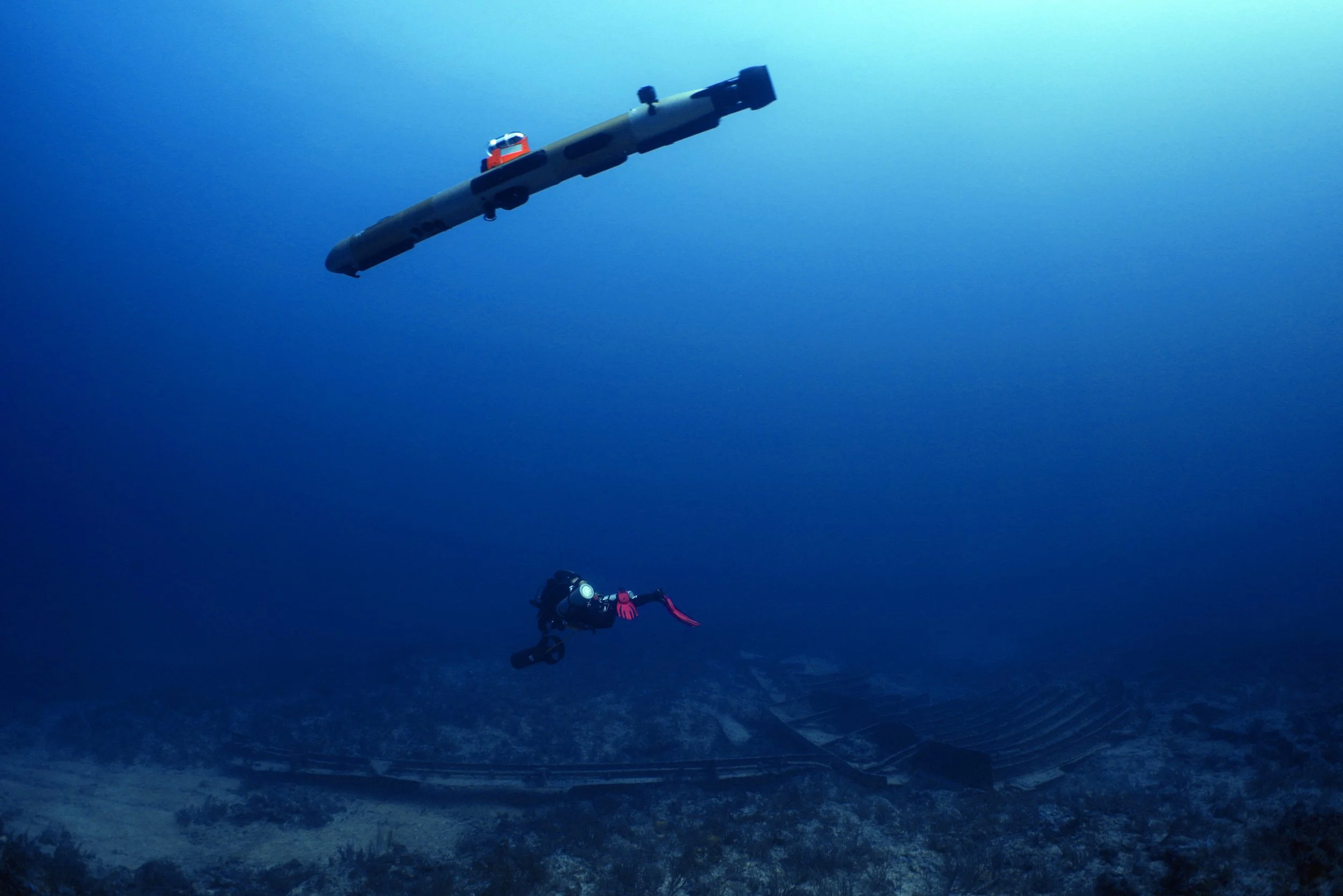
UNCOVERING ANCIENT HISTORY
Kenchreai, Greece
Support groundbreaking underwater archaeology—help reveal lost Roman shipwrecks, ancient harbor works, and secrets of a historic crossroads. Experience science at sea, participate in AUV, ROV and SCUBA exploration, and bring ancient history alive.

RESEARCHING
SPERM WHALES
Canary Islands
Defining core habitats and preferred feeding strategies amongst sperm whales in Canary Islands. Assessment of health and body conditions of the resident population of sperm whales. These whales are facing serious threats from vessel strikes in the region, and this project aims to provide essential data for conservation efforts.
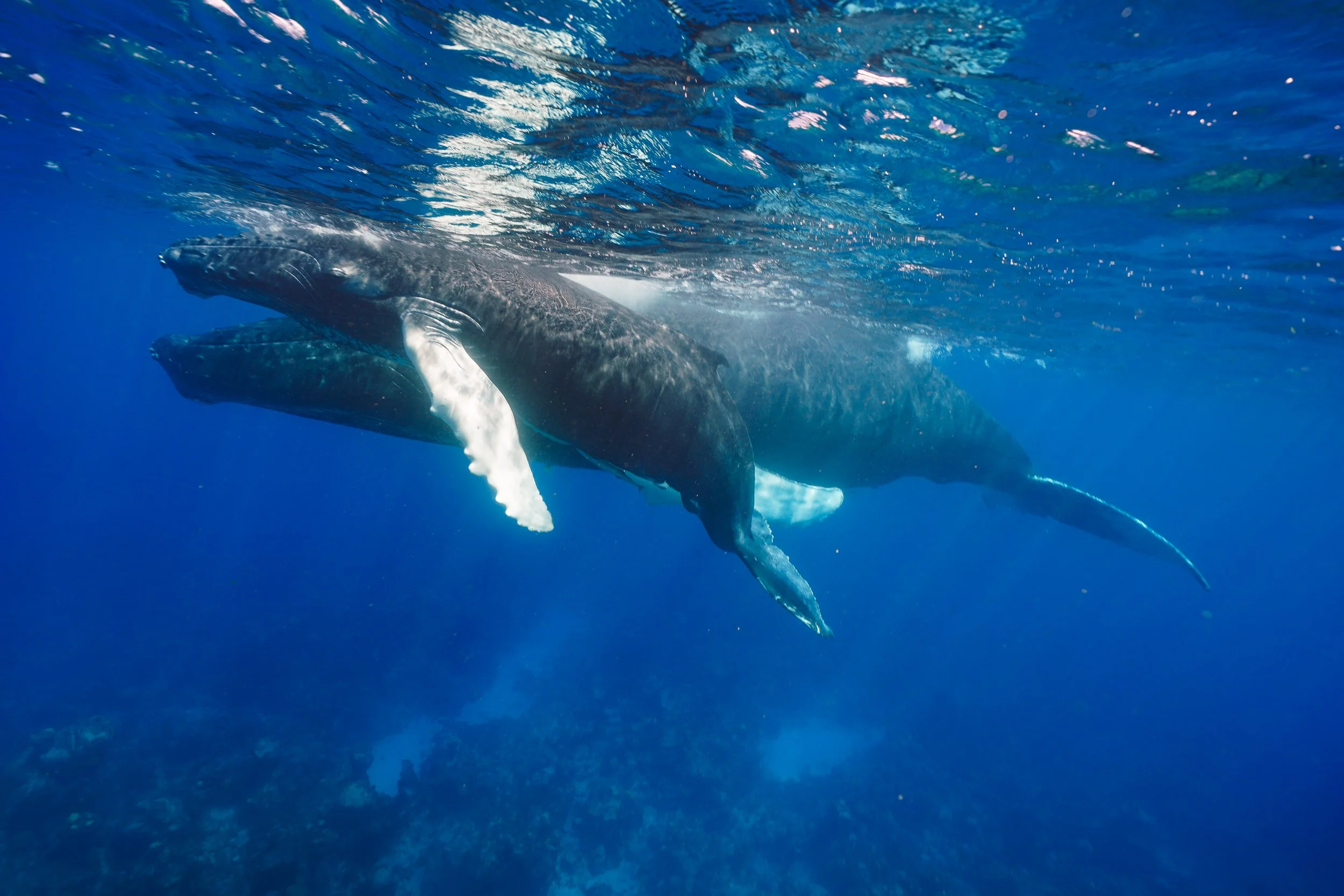
MARINE MEGAFAUNA
Dominican Republic
The primary goal of this expedition is to collect extensive data on sperm whales, humpback whales, and other cetaceans, utilising both visual and acoustic detection methods. Environmental DNA (eDNA) tools will also be employed to enhance research efforts in this critical region. The survey will contribute to establishing a biodiversity baseline, enabling the Ministry of Environment to support informed conservation strategies.

FRENCH POLYNESIA MANTA PROJECT
Marquesas Islands of French Polynesia
The Marquesas Islands is home to the largest, yet least studied, population of manta rays within French Polynesia. This project aims to better understand the population characteristics, ecology, and habitat use of both currently described species of manta rays (Mobula alfredi & M. birostris) in the remote Marquesas Islands of French Polynesia.

SHARKMED PROJECTS
Mallorca
The Sharks and Rays Project in Cabrera Archipelago’s Marine-Terrestrial Park (PNMTAC) will study diversity, abundance, seasonality, and movement patterns using non-invasive techniques (2024-2025). Results will be shared internationally to promote management measures ensuring the long-term conservation of these species.

BRIDGING MARINE DATA GAPS
Barbados
This critical ocean research expedition in an understudied marine region offers your vessel and crew a chance to gather essential data, supporting Barbados’s marine protection and sustainable management. In partnership with the Barbados Government and Blue Marine Foundation, yachts can leave a lasting Caribbean legacy.

COLOUR IN CLOWNFISH
Global
The clownfish-sea anemone symbiosis, iconic in Indo-Pacific coral reefs for its color, behavior, and cinematic fame, serves as a model system in biological sciences. It supports research in evolutionary biology, behavioral ecology, climate change, reproduction, population connectivity, and conservation, among other scientific areas.
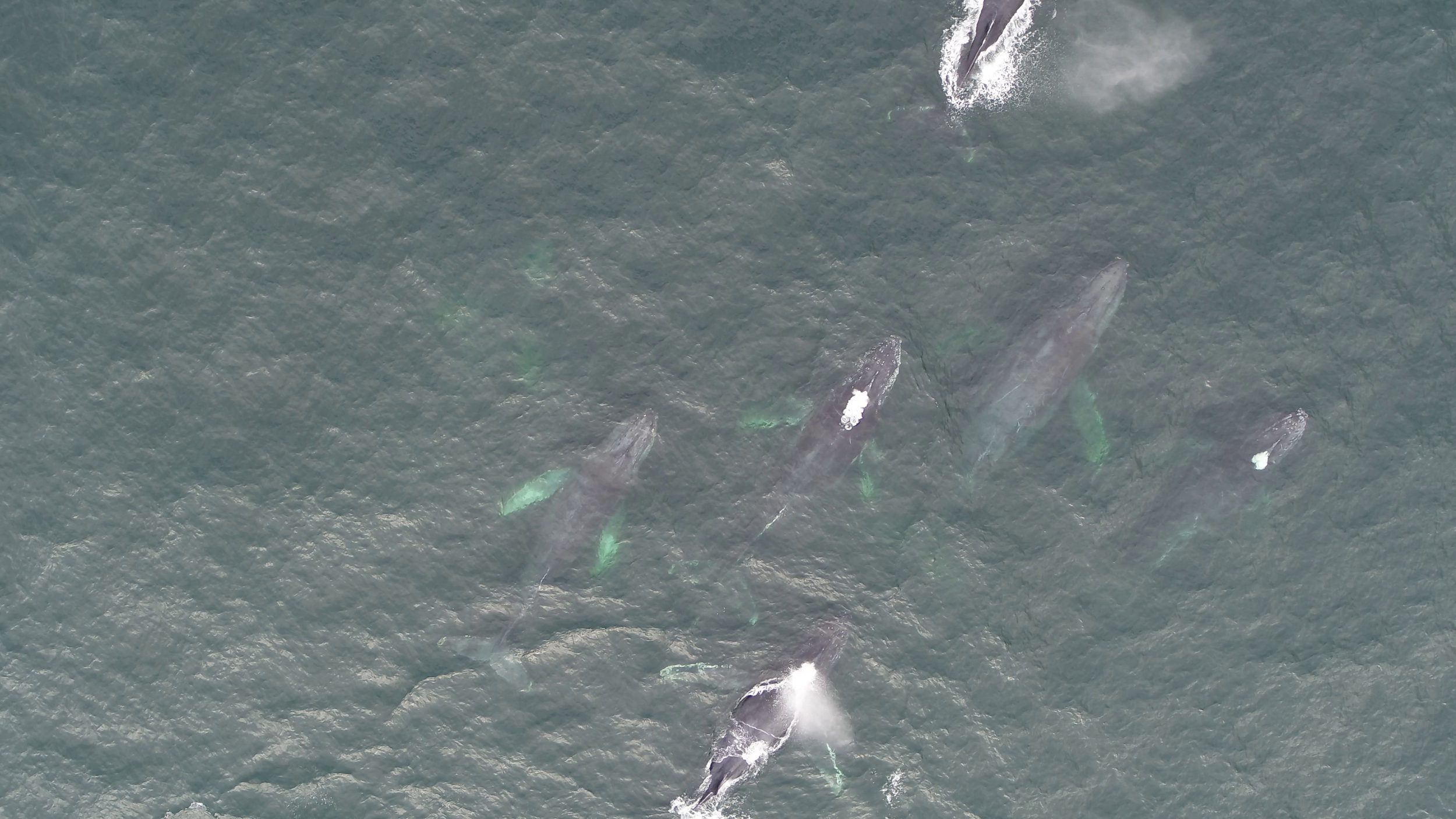
RESEARCHING
WHALES
Mexico
This project studies humpback, killer, and beaked whales in Bahia de Banderas using drones, satellite tags, and acoustic buoys. Research focuses on whale health, growth, and movement, alongside prey sampling. The work aims to understand species interactions, migration patterns, and ecosystem impacts for conservation.

SEAGRASS
PROJECT
UK
This project focuses on innovating Zostera marina seagrass planting techniques to enhance restoration success in the UK. Seagrass meadows are vital for biodiversity, carbon capture, nutrient filtration, and oxygen production. With up to 92% lost in the UK, urgent action is essential to reverse this decline.

DECODING THE
DEEP-SEA
Arctic & Antarctica
Novel deep-sea technologies are being used to preserve deep-sea genomes by collecting specimens in situ. This approach provides invaluable genetic data to illuminate the phylogenies of diverse deep-sea species, enriching understanding of ocean biodiversity and uncovering evolutionary dynamics in the world’s largest ecosystem.
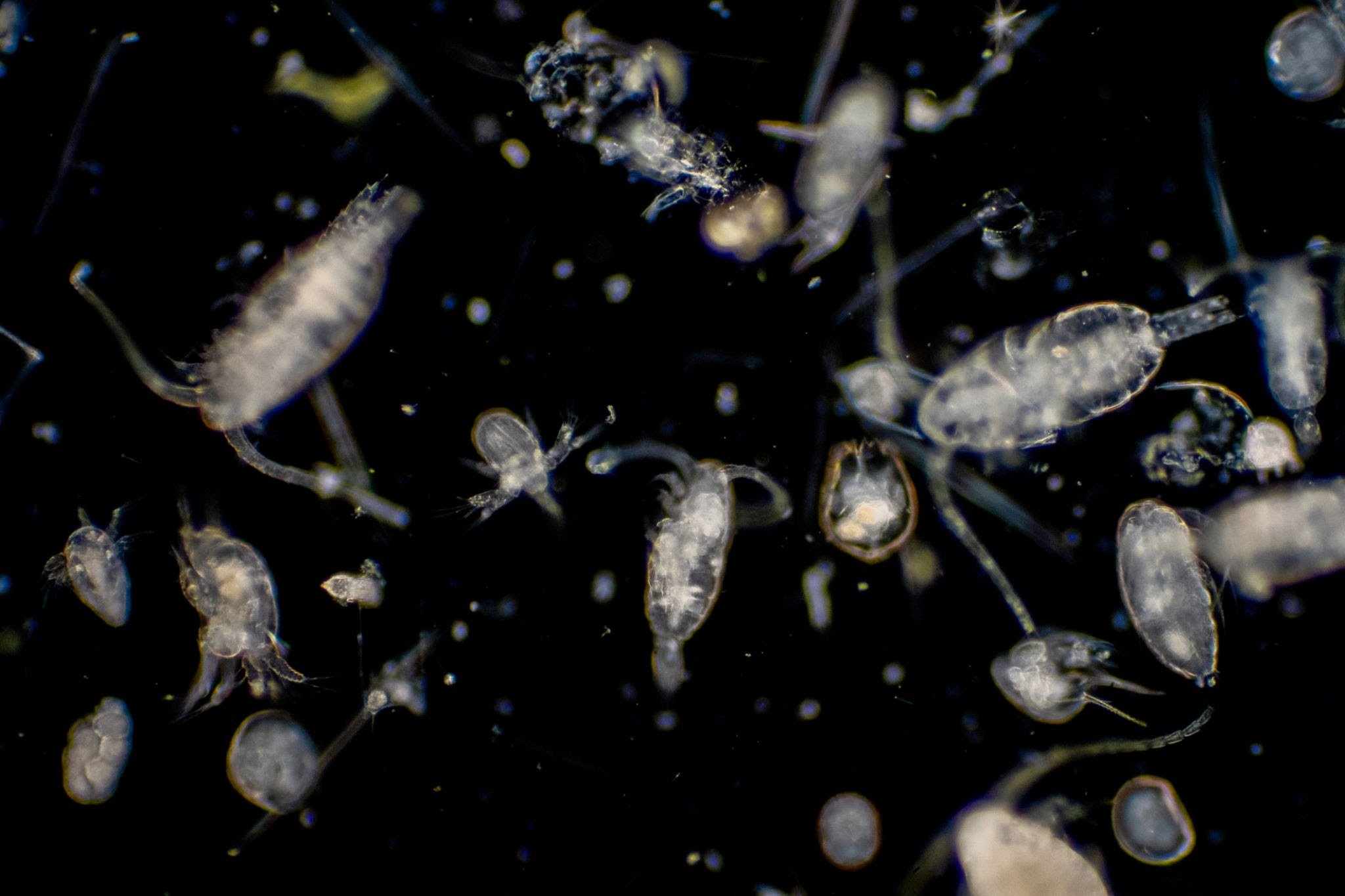
ZOOPLANKTON OF
THE FALKLANDS
Saeri
Collecting data from the northwest Falkland Islands, this project explores how local oceanography influences zooplankton distribution and community dynamics. Understanding these patterns is crucial to reveal zooplankton's role in energy transfer within the food web, supporting broader ecosystem knowledge in the Falkland Islands.

MANTA TRUST
Maldives
Research in the Maldives focuses on unique manta ray populations in the Northern and Southern Atolls. Studies in Makunudhoo atoll examine reef manta aggregations and diverse marine megafauna, while expeditions to Fuvahmulah explore endangered oceanic mantas. Insights gathered support conservation efforts addressing overfishing, habitat loss, and climate change.
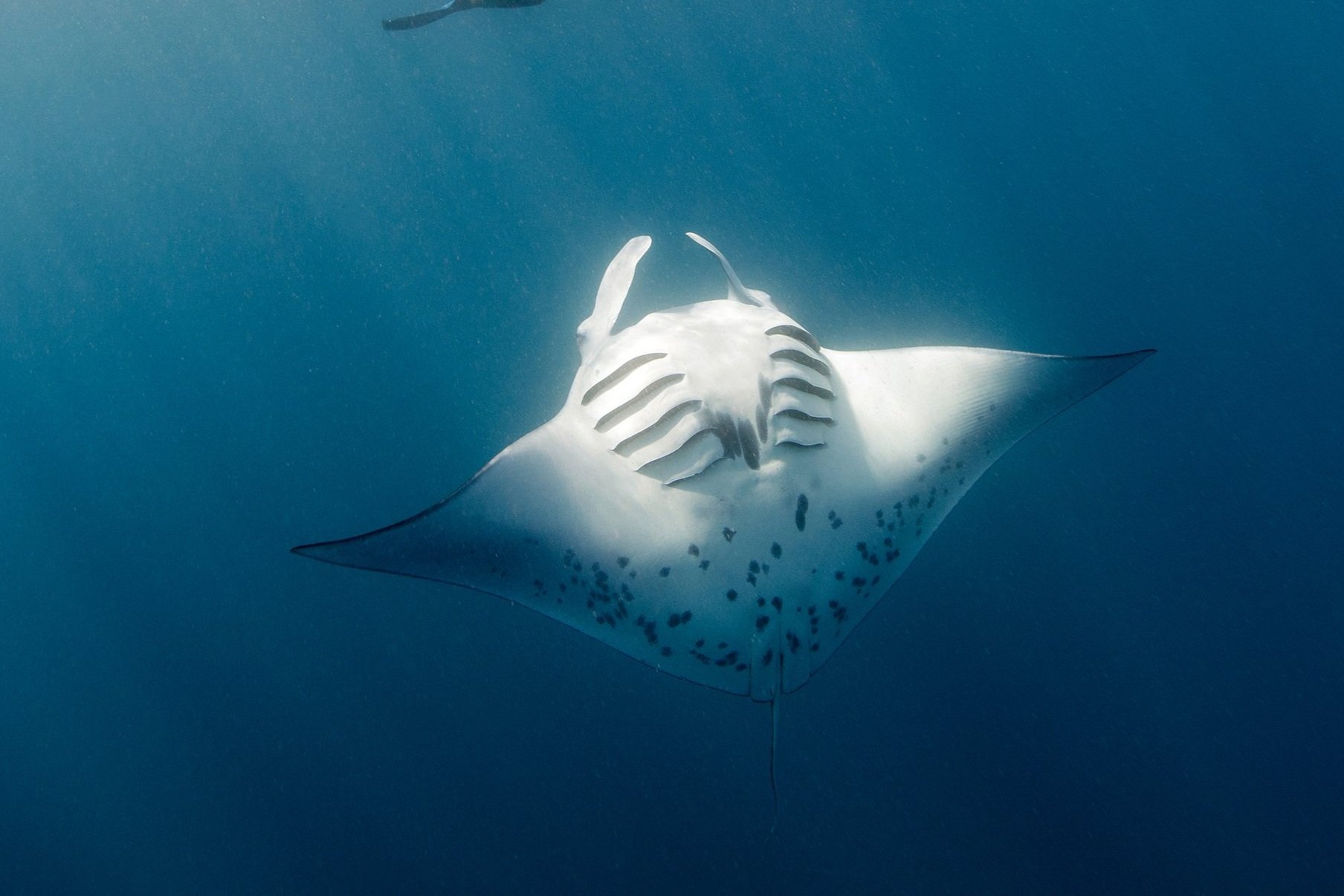
MANTA RAYS
Fiji
Research in Fiji focuses on conserving mobulid rays through studies in remote islands like the Lau Group, Yasawa, Kadavu, and Suva. The project aims to understand oceanic manta ray populations, first sighted in Fiji in 2018, supporting conservation through data collection, education, and collaboration across the South Pacific.

THE LOST
4TH ISLAND
Cayman Islands
Using cutting-edge technologies like photogrammetry, benthic mapping, and genetic analyses, this research uncovers benthic and pelagic biodiversity in the Cayman Islands. Coral reefs and offshore seamounts, crucial for biodiversity and species connectivity, face overfishing and climate threats. Collected data supports essential conservation efforts to protect these ecosystems.