


WHALE RESEARCH
Mexico
Dr. Joshua Stewart is a quantitative ecologist whose interests span animal movement, trophic ecology, and population dynamics with an emphasis on threatened species and ecosystems. He has a strong interest in applied science, collaborating with stakeholders and managers, and applying his research directly to management with input from resource users. Dr. Stewart has been studying oceanic manta rays and humpback whales in Bahia de Banderas since 2014, working with local fishing communities to understand and reduce impacts such as fishing and vessel traffic on these vulnerable populations. He is a founding member and Associate Director of The Manta Trust, and a professor at Oregon State University’s Marine Mammal Institute.
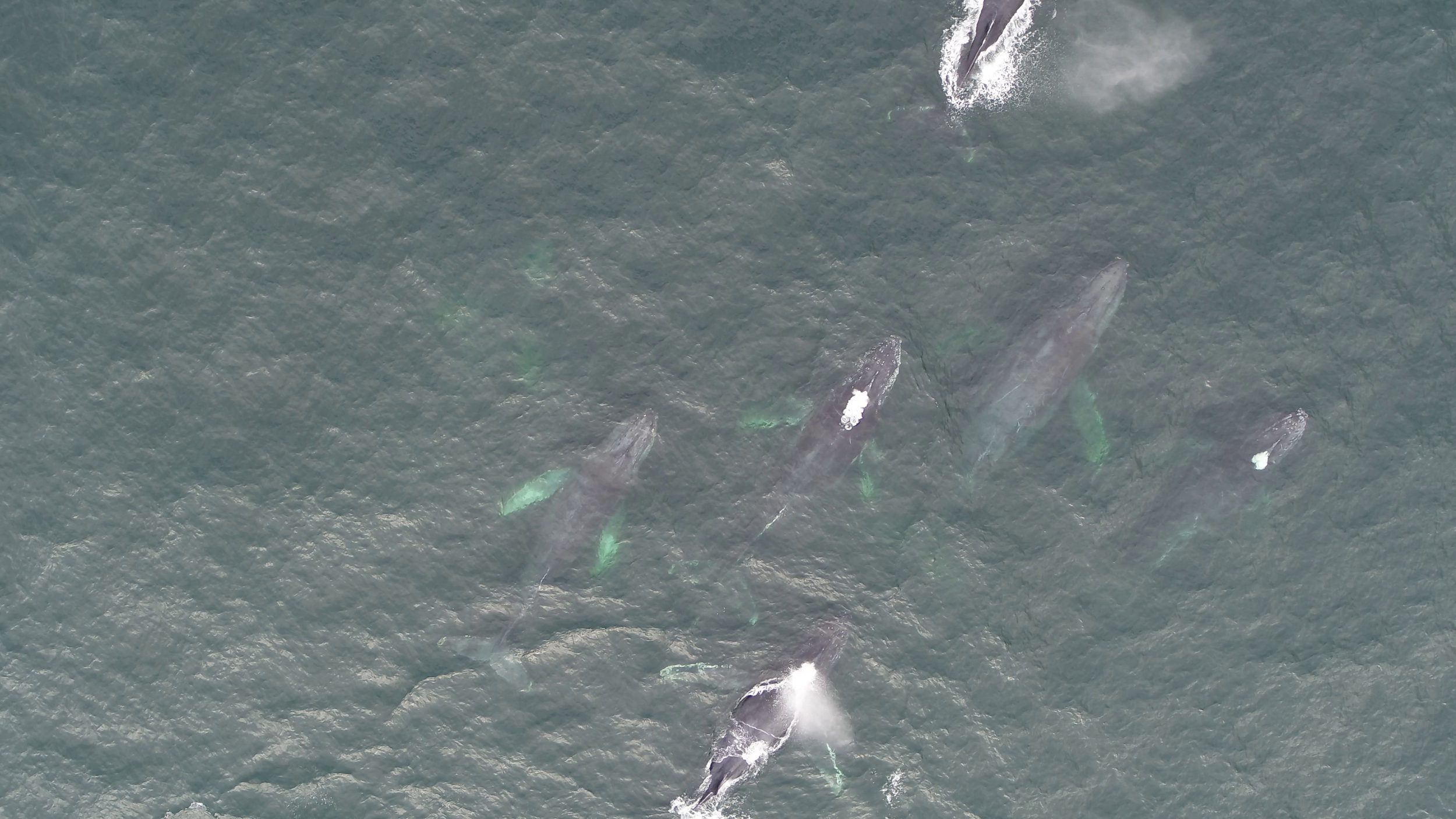
The research team will be studying humpback whales, killer whales, and elusive beaked whales using drones, satellite tags, and acoustic buoys. Humpbacks overwinter in the Mexican breeding areas including Bahia de Banderas, and sightings of humpback breeding groups and mothers with newborn calves are extremely common in the winter months.
The team will use drones to collect data on humpback whale health and body condition, killer whale size and condition, and, if possible, to collect some of the first data on a newly described deep-diving beaked whale that is found in the bay. They will deploy acoustic listening buoys that passively float through the bay detecting whales. If beaked whales are found, they will deploy satellite tags, collect tissue biopsies, and drone images. Late January is an ideal season to study killer whales, which come into the bay to feed on newborn humpback calves and manta rays that are present in high numbers during the winter
LOCATIONS
Bahía de Banderas
DATES & BERTHS
4–6
DURATION
1 Week expedition
Between December – February