THE METHANE OXIDATION FILTER (MOXy-Filter) PROJECT
NORWAY, ARCTIC
The aim of the Methane Oxidation Filter (MOXy-Filter) project is to investigate methane (CH₄) cycling in marine environments, with a particular focus on microbial CH₄ oxidation. It forms the field component of the fully-funded HORIZON TMA MSCA Postdoctoral Fellowship project ACUTE (doi: 10.3030/101210310), which addresses methane utilization in tipping point ecosystems influenced by methane seeps and subsea permafrost.
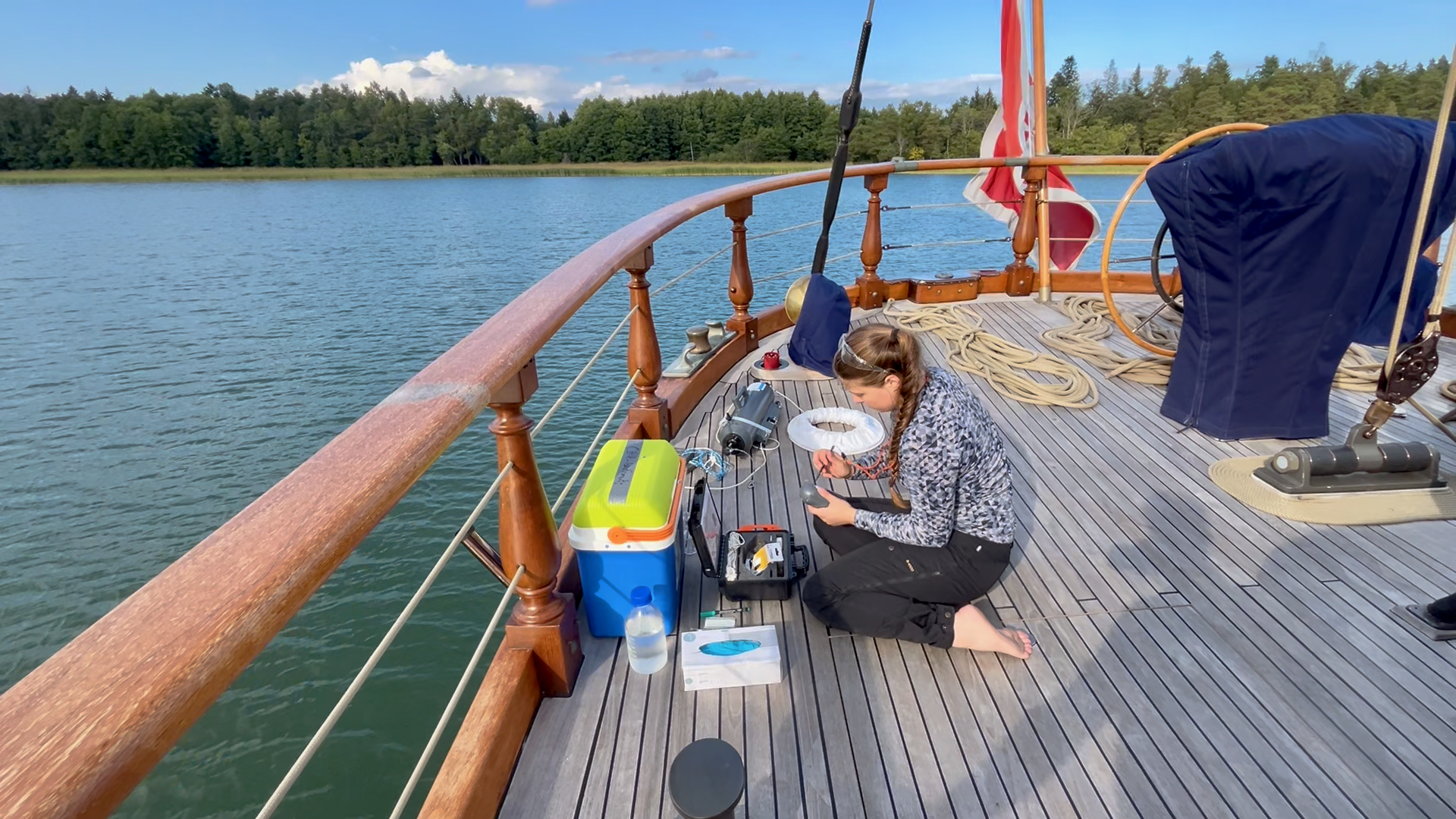
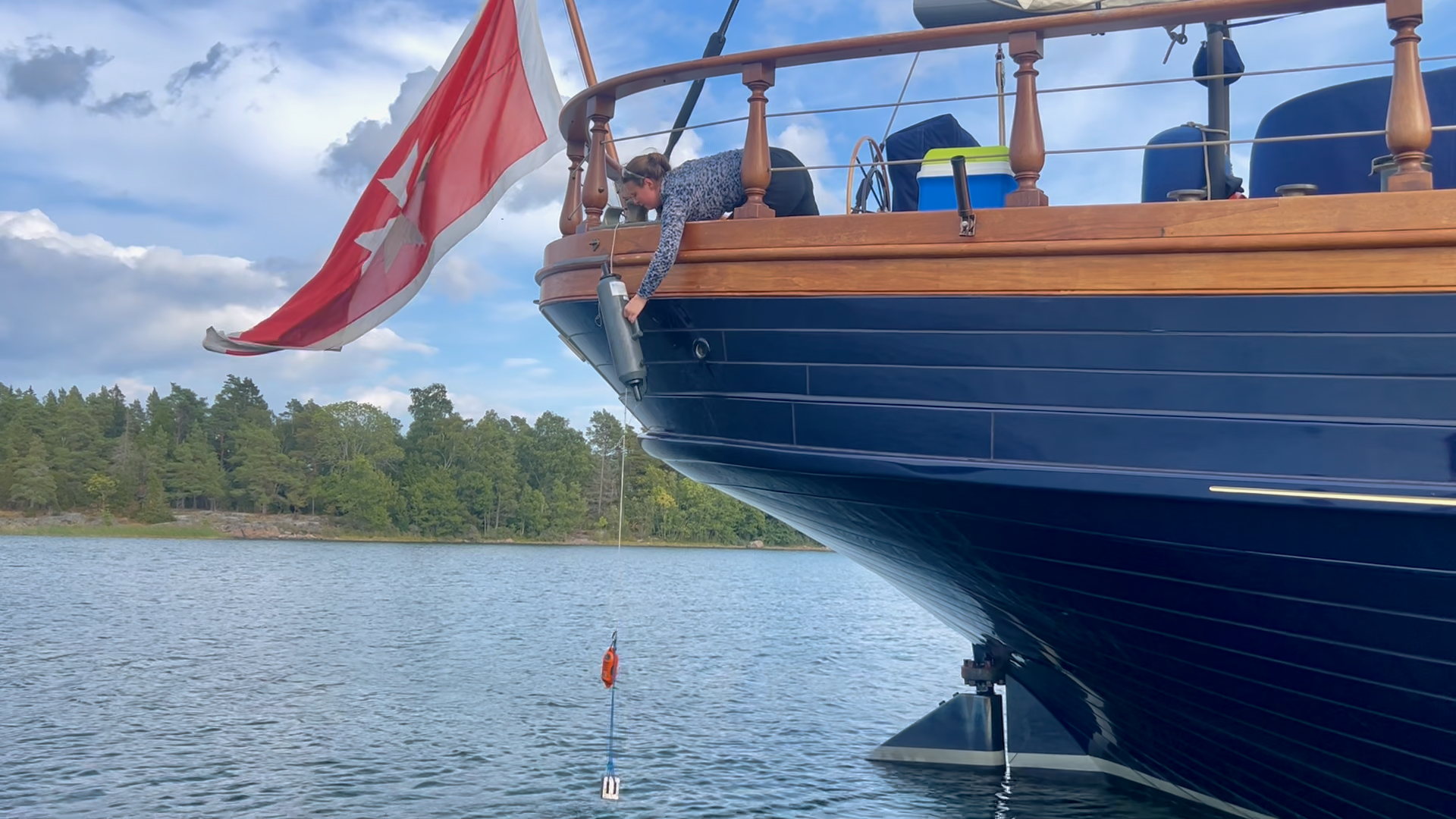
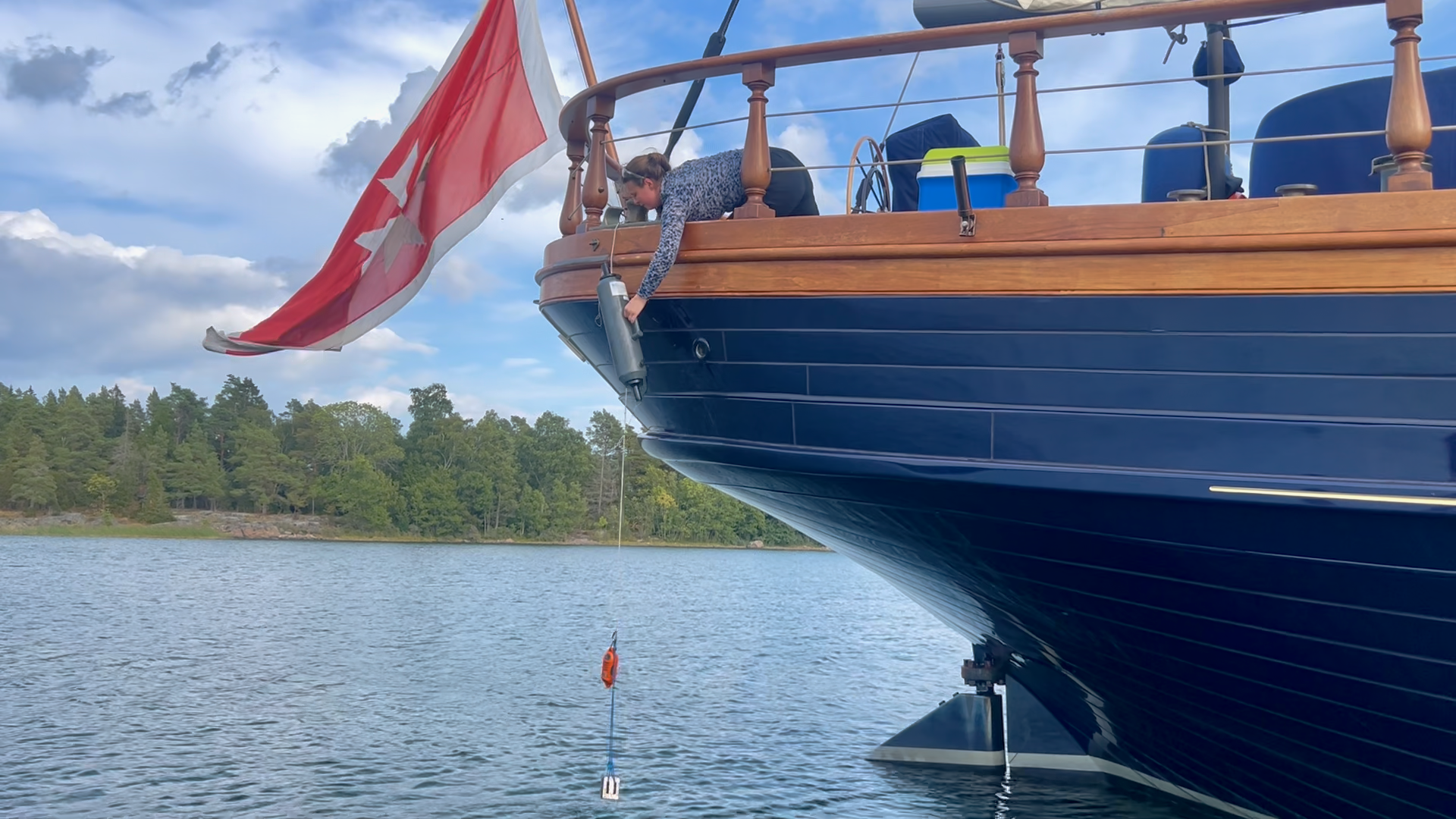
MOXy-Filter focuses on the collection of bottom water and surface sediments from diverse marine regions to enable comparative analyses across environments. Given the logistical challenges of accessing the Arctic, the project remains geographically flexible and aims to obtain representative samples from accessible ocean settings. Bottom water will be collected close to the seafloor using a hand-held niskin bottle, while surface sediments will be retrieved using a van-veen grab where possible to include the associated microbial habitats.
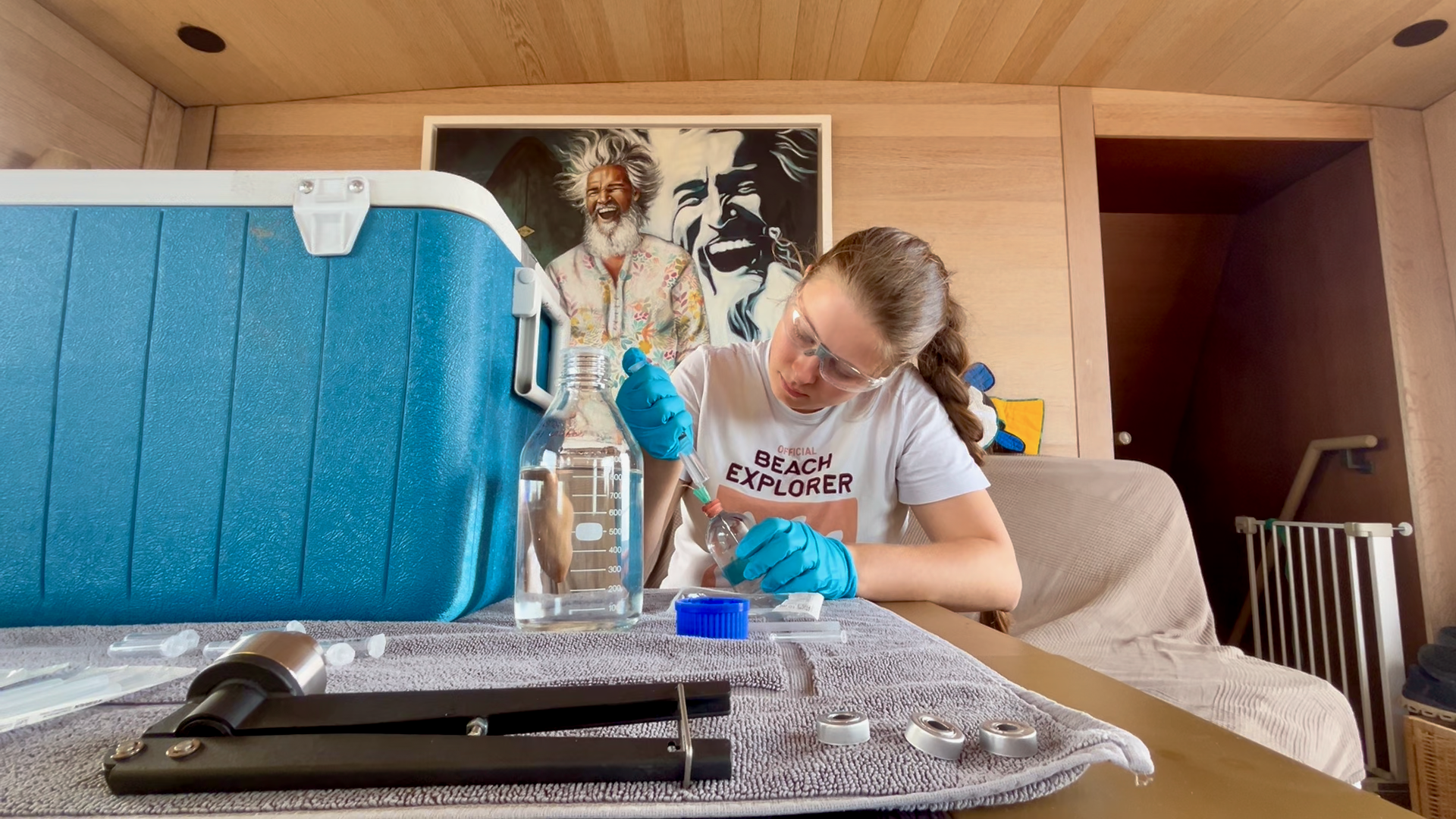
Samples will be subsampled shortly after recovery and stored (+4°C) until further processing at Stockholm University, including analyses of methane cycling processes and microbial community composition.
These sampling efforts are designed to provide high-quality, representative material for studying benthic methane dynamics and to support cross-system comparisons relevant to understanding methane cycling in sensitive marine environments.The MOXy-Filter project will generate new insights into methane (CH₄) cycling in pelagic and benthic marine environments by linking geochemical measurements with microbial community composition and function. The collected samples will enable identification of key CH₄ oxidation pathways and associated microbial taxa across diverse ocean settings. Comparative analyses will clarify whether similar processes occur between marine sediments and other CH₄-rich systems, such as lakes. The results will improve understanding of the role of benthic microbes as a biological filter for CH₄ emissions and their potential response to environmental change. Outcomes will include high-resolution datasets, metagenomic resources, and peer-reviewed scientific publications.
Project activities aboard the vessel will focus on the targeted collection of bottom water and, where feasible, surface sediments. Sampling will be conducted at selected stations, in close coordination with the crew and possibilities available, which can either be three stations in the same proximity (creating triplicates) from one region or a transect across a region. Overall, we would like to collect water from as diverse sites as possible.
At each station, 10 L of bottom water will be collected close to the seafloor using our hand-held niskin bottle or a CTD (if available) to capture the pelagic community, while sediment could be collected using a van-veen grab (Stockholm University owned) to obtain the uppermost, microbially active sediment layers. Samples will be processed immediately after recovery through subsampling and appropriate storage to preserve in situ characteristics.
LOCATIONS: Norway, Arctic
BERTHS: 2
EQUIPMENT: Scientist will bring all the equipment required
DATES: 7 - 10 days, August - September 2027
Basic environmental parameters (e.g., temperature, salinity, oxygen) will be recorded to contextualize the samples. Furthermore, we will take subsamples for dissolved organic and inorganic carbon (storage: Room Temperature), nutrients (-20°C), and microbial community (-20°C), while the remaining water samples will be stored either in fridge or cool boxes. All collected material will be documented, labeled, and prepared for transport to Stockholm University for subsequent laboratory analyses.
These activities are designed to efficiently obtain high-quality, representative samples within the available ship time while minimizing onboard processing requirements.
Wire or rope, Fridge (+4°C), Freezer (-20°C), CTD (if available, can bring own)